Safety doesn’t happen by accident—it’s built through consistent communication, awareness, and preparation. Yet many teams struggle to maintain regular safety discussions due to time constraints, lack of materials, or uncertainty about content. That’s where toolbox talks come in. These short, focused safety meetings are proven to reduce incidents, reinforce protocols, and keep safety top of mind. The good news? You don’t need to create everything from scratch. High-quality toolbox talks free download resources exist—and when used strategically, they can transform your safety culture with minimal effort.
But not all free content is created equal. The difference between a wasted 10 minutes and an impactful safety moment often comes down to relevance, clarity, and usability. This guide cuts through the noise to show you where to find reliable, ready-to-use toolbox talks—and how to use them effectively.
Why Free Toolbox Talks Are a Game-Changer
Toolbox talks are typically 5- to 15-minute safety discussions held at the start of a shift or before high-risk tasks. They cover topics like PPE use, ladder safety, electrical hazards, or emergency response. Their brevity makes them easy to schedule, but creating fresh content weekly is a burden few safety officers can sustain.
That’s where free downloadable toolbox talks become invaluable. They offer:
- Time savings: No need to draft from scratch—just download, review, and deliver.
- Professional formatting: Many include speaker notes, discussion prompts, and printable handouts.
- Regulatory alignment: Reputable sources align content with OSHA, ANSI, or industry standards.
- Consistency: Regular topics help build a repeatable safety rhythm.
Used wisely, free toolbox talks aren’t a shortcut—they’re a force multiplier for safety communication.
What to Look for in a Quality Free Toolbox Talk
Not every PDF labeled “free toolbox talk” is worth your team’s time. Poorly structured content can do more harm than good—leading to confusion, disengagement, or even misinformation.
Look for these five markers of quality:
- Clear learning objectives – Each talk should state what the team will learn or review.
- Actionable takeaways – Workers should walk away knowing exactly what to do (or not do).
- Discussion prompts – Avoid one-way lectures. Good talks include questions like, “What’s one near-miss you’ve had with fall protection?”
- Visuals or diagrams – A simple image of proper lifting technique or PPE setup increases retention.
- Editable formats – PDFs are fine, but Word or Google Docs allow customization for your site or crew.
Avoid any resource that reads like a legal document or lacks engagement hooks. Safety isn’t about compliance theater—it’s about behavior change.
Top 5 Sources for Reliable Toolbox Talks Free Download
| Source | Format | Topics Covered | Customization | Notes |
|---|---|---|---|---|
| OSHA.gov | Fall protection, electrical safety, hazard communication | Limited | Official, compliant, but basic design | |
| SafetyInfo.com | Word & PDF | 100+ topics from confined space to winter safety | High | Editable, printable, field-tested |
| Creative Safety Supply | PDF & PPT | 5S, forklift safety, lockout/tagout | Medium | Clean layout, free with email signup |
| ConstructionSafety.org | Construction-specific risks | Low | Great for site crews, includes sign-in sheets | |
| WorkSafeBC (Canada) | PDF & editable | Hazard ID, mental health, PPE | High | Internationally applicable despite regional origin |
Pro Tip: Save these in a shared folder labeled by topic and date. Update filenames to include your company name or site location—e.g., “Lockout_Tagout_Talk_JohnsonSite.docx”—to avoid confusion.
How to Customize Free Toolbox Talks for Your Team
Downloading a template is just the first step. To drive real impact, tailor each talk to your crew, environment, and current risks.
For example, a generic “slip, trip, and fall” talk may mention wet floors. But if your team works on elevated steel decking, rewrite it to emphasize:
- Proper footwear traction
- Housekeeping on platforms
- Weather-related delays (e.g., ice accumulation)
- Workflow for customization:
- Review the downloaded talk
- Highlight general statements that need specificity
- Insert site-specific hazards or recent incidents
- Add a real photo from your job site (e.g., a cluttered workspace)
- Update discussion questions to reflect local conditions
This takes 10–15 minutes but increases relevance tenfold. Workers are more likely to engage when the content reflects their reality.
Common Mistakes That Undermine Free Toolbox Talks
Even the best resources fail when delivery falls flat. Avoid these frequent pitfalls:
- Reading verbatim – Workers tune out monotone delivery. Use bullet points, not paragraphs.
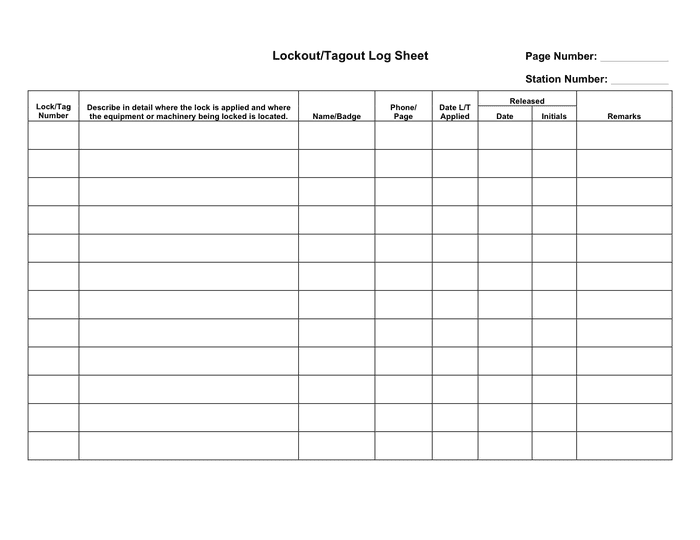
- Skipping attendance logs – Without sign-in sheets, you can’t prove training occurred during audits.
- One-size-fits-all approach – A talk on welding fumes won’t resonate with admin staff. Segment your audience.
- No follow-up – If a hazard is raised, address it. Nothing kills credibility faster than ignoring concerns.
- Inconsistent scheduling – Random talks feel like check-the-box exercises. Stick to a weekly or biweekly rhythm.

Also, never assume a downloaded talk is legally sufficient. Cross-check critical topics like confined space entry or crane operations with your internal safety manuals.
How to Build a Sustainable Toolbox Talk Program
Free downloads are a launchpad—not a complete program. To build lasting safety habits, integrate talks into your operational flow.
Sample weekly workflow: - Monday AM: Safety lead downloads or selects topic (e.g., “Eye Protection”) - Tuesday AM: 10-minute talk at crew huddle with sign-in sheet - Wednesday: Supervisor walks site, verifies PPE use - Friday: Brief review at team meeting—“Did anyone see good eye protection use this week?”
Track topics monthly to avoid repetition. Rotate through categories: - PPE & clothing - Equipment safety - Environmental risks - Emergency procedures - Behavioral safety (fatigue, distraction, stress)
Use free downloads to fill 70–80% of your calendar. Reserve the rest for custom talks based on incident trends or new equipment.
Real-World Example: Reducing Hand Injuries
A mid-sized electrical contractor noticed a spike in minor hand injuries. Instead of generic “wear gloves” reminders, they used a free downloadable talk from SafetyInfo.com on hand protection.
They customized it by: - Adding photos of damaged gloves found on site - Including a near-miss story from a senior technician - Demonstrating how to inspect gloves before use - Requiring each worker to check their gloves during the talk
Over the next quarter, hand injury reports dropped by 62%. The content wasn’t revolutionary—but the relevance was.
Final Tips for Maximizing Free Toolbox Talk Downloads
- Always credit the source—especially if sharing internally. It builds a culture of respect for safety materials.
- Archive completed talks with dates and signatures. This creates an audit-ready record.
- Encourage worker-led talks—rotate facilitation to boost ownership. Use free downloads as starter scripts.
- Pair talks with visuals—project a slide, show a short video, or use a damaged tool as a prop.
- Revisit key topics seasonally—e.g., heat stress in summer, winter traction in cold months.
The best safety programs don’t rely on reinvention. They leverage smart, accessible resources—then adapt them with purpose.
Take action today: Download three toolbox talks from trusted sources. Customize one for your next crew meeting. Print sign-in sheets. Follow up with a walk-through. Small steps, consistently taken, create a culture where safety isn’t discussed—it’s lived.
FAQ
What should you look for in Free Toolbox Talks Downloads for Safer Workplaces? Focus on relevance, practical value, and how well the solution matches real user intent.
Is Free Toolbox Talks Downloads for Safer Workplaces suitable for beginners? That depends on the workflow, but a clear step-by-step approach usually makes it easier to start.
How do you compare options around Free Toolbox Talks Downloads for Safer Workplaces? Compare features, trust signals, limitations, pricing, and ease of implementation.
What mistakes should you avoid? Avoid generic choices, weak validation, and decisions based only on marketing claims.
What is the next best step? Shortlist the most relevant options, validate them quickly, and refine from real-world results.